
Maintenance of your kitchen tools is necessary for ensuring they last and perform efficiently. By following simple yet effective practices, you can prevent damage and wear that could lead to unsafe cooking conditions. Keeping your tools clean and properly stored not only enhances their lifespan but also promotes better food safety and cooking quality. This guide will provide you with the best tips to keep your kitchen equipment in stellar condition, ensuring your culinary experiences remain enjoyable and productive.
Key Takeaways:
- Regularly clean tools after each use to prevent buildup of food residues and bacteria.
- Store tools properly, using cases or hangers, to avoid damage and maintain their shape.
- Sharpen blades periodically and check for signs of wear to ensure optimal performance.
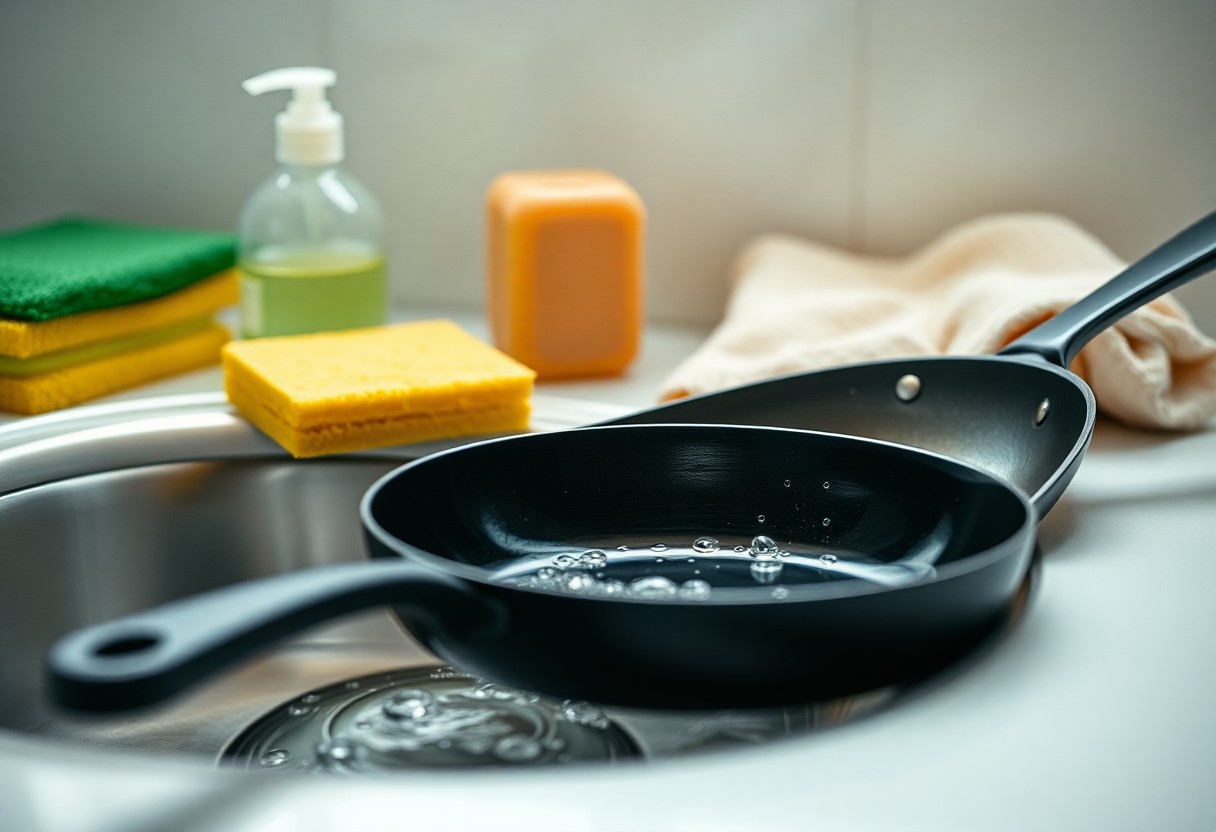
Understanding the Importance of Maintenance
Neglecting the maintenance of your kitchen tools can lead to decreased performance and ultimately reduce their lifespan. Proper upkeep not only enhances efficiency but also ensures safety while cooking. Well-maintained tools can make food preparation quicker and more enjoyable, while prolonging the investment you’ve made in quality equipment.
Why Kitchen Tools Require Care
Kitchen tools endure daily wear and tear, often exposed to moisture, heat, and food residues. Without your care, materials can corrode, dull, or warp, which could compromise their function. Regular maintenance will prevent these issues and keep your utensils in peak condition, ensuring they remain effective and safe to use.
Recognizing Signs of Wear and Tear
Identifying signs of wear and tear is crucial to maintaining the efficacy and safety of your kitchen tools. Dull blades, rust on metal surfaces, frayed handles, or unusual noises during use can indicate that a tool needs attention. Addressing these issues promptly prevents further damage and injuries.
For instance, a knife that no longer slices cleanly could be dull due to frequent use or improper maintenance, making cooking more difficult and less enjoyable. Shoddy pots and pans may exhibit warped bases, resulting in uneven heating and cooking. Furthermore, signs like chipped surfaces in non-stick cookware can lead to hazardous materials leaching into your food. Identifying these wear indicators early allows you to either repair or replace the item effectively, enhancing both safety and culinary outcomes. Regular inspections are vital to catching these issues before they escalate, ensuring you maintain a safe and efficient kitchen environment.
Essential Tips for Cleaning Kitchen Tools
To ensure your kitchen tools remain in top condition, implementing effective cleaning habits is important. Proper cleaning not only extends the lifespan but also maintains hygiene. Here are some important cleaning tips:
- Wipe down tools immediately after use to remove food particles.
- Use warm, soapy water for most utensil types.
- Avoid soaking wooden tools, as moisture can cause warping.
- Use non-abrasive cleaners to prevent scratches on surfaces.
- Inspect for damage regularly to prevent further deterioration.
The key is to establish a routine for effective cleaning methods.
Daily Cleaning Routines
Incorporating daily cleaning routines sets a foundation for the longevity of your kitchen tools. After each use, promptly wash all tools with warm, soapy water to eliminate grease and food residues. Be sure to dry them thoroughly to avoid moisture buildup that can lead to rust or decay, especially for metals and wood. Daily attention prevents the accumulation of stubborn stains and ensures your utensils remain hygienic and ready for your next culinary adventure.
Deep Cleaning Techniques
Deep cleaning kitchen tools periodically removes any lingering dirt and grime that daily cleaning might miss. Use baking soda or vinegar for a natural approach to tackle tough stains and odors. For items like blenders and food processors, take apart removable parts and wash them separately. Soaking stainless steel utensils in warm soapy water can loosen stubborn residues, while a soft brush can reach into tight corners.
For an effective deep clean, consider using a solution of equal parts vinegar and water for metal utensils to remove tarnish or stains. Leave them to soak for 15 minutes before scrubbing gently. For cutting boards, especially wooden ones, sprinkle coarse salt to scrub away odors with a lemon half, then rinse thoroughly and let it air dry. These techniques not only keep your tools looking good but also promote a healthier cooking environment in your kitchen.
Proper Storage Methods
Proper storage is crucial for prolonging the life of your kitchen tools. Ensure that each item has a designated space, providing protection from moisture, heat, and potential damage. Utilizing containers, drawer organizers, or magnetic strips can help keep your tools in top shape. For utensils, consider hanging them up to avoid scratches and tangles, while knives should be stored in sheaths or magnetic strips to maintain their edges.
Organizing Your Kitchen Tools
Organizing your kitchen tools not only enhances efficiency but also helps in maintaining their condition. Group similar items together, so you can easily locate what you need while cooking. Use clear bins or labeled containers to prevent rummaging through clutter, which can result in scratches or misplaced tools. A well-arranged kitchen ensures your tools remain within reach and in great condition.
Factors Affecting Tool Longevity
Several factors impact the longevity of your kitchen tools, including their materials, frequency of use, and environmental conditions. For example, stainless steel and high-quality silicone often last longer than cheaper alternatives. Consistently using tools in intensive tasks can lead to wear and tear, while improper storage in humid areas can cause rust or degradation. After understanding these influences, you can adjust your maintenance practices accordingly.
- Materials
- Frequency of use
- Environmental conditions
- Improper storage
Considering the materials used in your kitchen tools is vital for their longevity. For instance, nylon utensils can warp over time while metal ones withstand heat better. Additionally, high humidity can foster rusting, while dry conditions can lead to cracking in wooden tools. Regularly assess and adapt your storage methods and cleaning routines to counter these factors. After you make these adjustments, you’ll see a noticeable improvement in your tools’ lifespan.
- Material quality
- Exposure to heat
- Humidity levels
- Cleaning frequency
Material-Specific Maintenance Tips
- Wooden utensils require gentle care to avoid cracks.
- Metal tools should be dried promptly to prevent rusting.
- Plastic utensils can degrade with high heat; avoid using them in the microwave.
This advice will help prolong the life of your kitchen tools.
Caring for Wooden Utensils
To maintain your wooden utensils, hand wash them with mild soap and warm water. Avoid soaking them, as prolonged exposure to water can lead to warping or cracking. After washing, dry them thoroughly and periodically apply a food-safe mineral oil to nourish the wood and enhance its longevity.
Maintaining Metal and Plastic Tools
Your metal tools should be cleaned immediately after use to avoid any food residue from hardening. Dry them promptly to prevent rusting, especially for stainless steel. For plastic utensils, ensure they are dishwasher-safe to make cleaning easier and avoid exposing them to extreme heat to prevent warping.
In addition, when using metal tools, avoid abrasive cleaners or scrubbing pads, as these can scratch and damage surfaces, shortening their lifespan. Plastic tools are often more sensitive to temperature changes, so it’s wise to use them within the range specified by the manufacturer. This ensures that both types maintain their integrity and performance over time.
Regular Inspections and Repairs
Conducting regular inspections of your kitchen tools helps identify potential issues before they worsen. Check for any signs of wear, like cracks in wooden utensils or dull edges on knives. If tools show early signs of damage, address them immediately to avoid costly replacements. Schedule these inspections monthly as a part of your upkeep routine.
What to Check for During Inspections
During inspections, focus on key aspects such as the integrity of the material, sharpness of knives, and any rust or discoloration on metal tools. Inspect wooden items for splits or warping and ensure that handles are securely attached. Pay attention to any unusual sounds when using the tools, as this can indicate a malfunction.
When to Replace Kitchen Tools
Replacement should be considered when kitchen tools show signs of severe damage that cannot be repaired. This includes significant rust on metal tools, major cracks in wooden items, or dull blades that do not respond to sharpening. If a tool compromises the quality of your cooking or poses safety risks, it’s time to replace it.
Tools that have lost their functionality can detract from your culinary experience. For instance, a dull knife can lead to accidents due to applying excessive force, while a warped spatula may not flip items properly. If a tool has become more hassle than help, investing in a new, high-quality replacement is worth it. Prioritize safety and efficiency by replacing tools at the first signs of extensive wear.
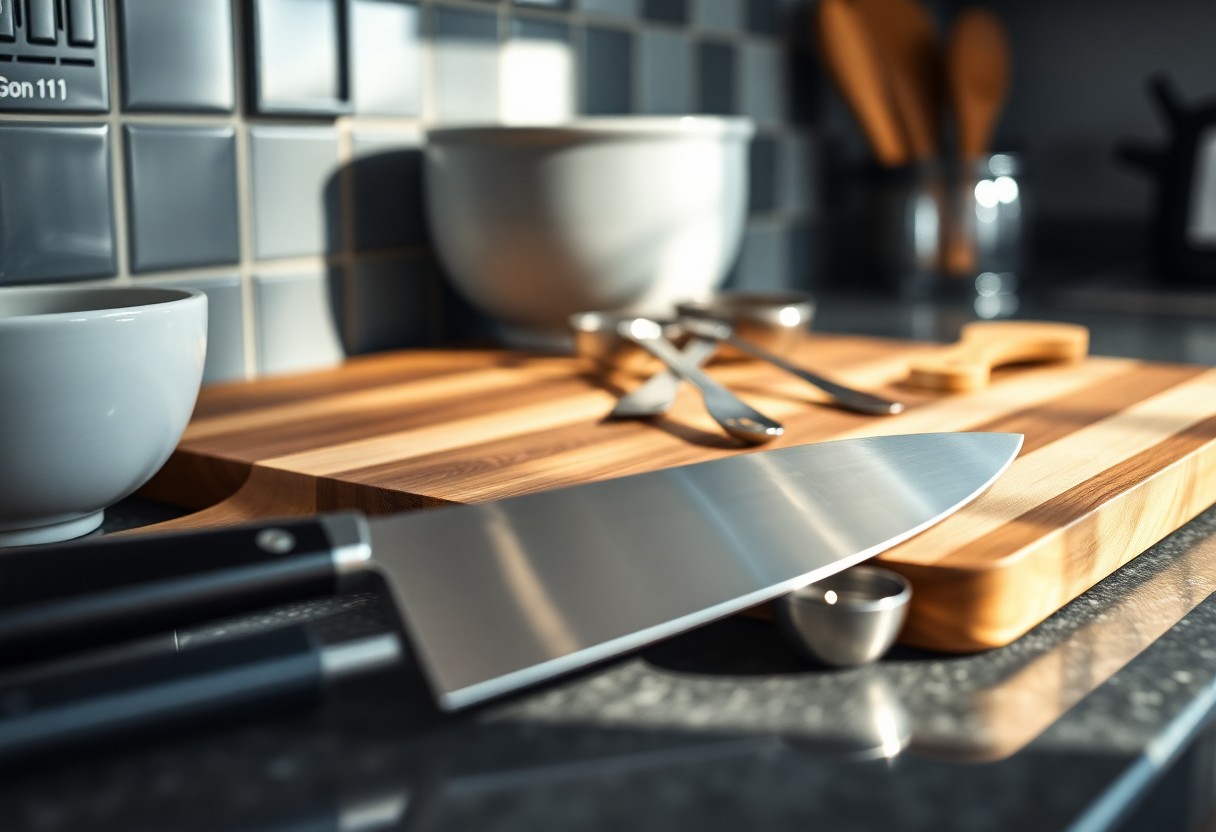
Use and Handling Best Practices
Proper use and handling of your kitchen tools can significantly extend their lifespan. Always follow the manufacturer’s instructions to ensure you’re operating them correctly. For further insights, refer to How To Extend The Lifespan Of Your Kitchen Equipment. Avoid mixing incompatible utensils and ensure you handle all tools with care, preventing unnecessary wear and tear.
Techniques to Avoid Damage
To avoid damage to your kitchen tools, always use soft utensils on non-stick surfaces. Avoid metal scrubbing pads that can scratch or dent pots and pans. Wash your knives by hand instead of in the dishwasher to preserve their sharpness. Properly drying your tools prevents rusting, especially for metal items. Store them in padded or protected areas to avoid accidental collisions.
Adapting Tools for Different Tasks
Effectively adapting your kitchen tools for various tasks can prevent mishaps and enhance their utility. For instance, using a serrated knife for slicing bread can ensure clean cuts while preventing damage to the blade. When grating cheese, choose a box grater over a microplane for larger amounts to avoid overworking the fine blade. Utilize adjustable measuring cups for liquids and solids interchangeably, enhancing versatility while minimizing the need for multiple tools.
Using the right tool for each specific task not only increases efficiency but also significantly reduces the risk of tool damage. For example, a chef’s knife excels in chopping vegetables, while a paring knife is better suited for intricate peeling. By understanding the strengths and weaknesses of your tools, you can achieve better results, prolong their usefulness, and maintain their integrity over time. This adaptability ensures you maximize your investment in quality kitchen tools.
Final Words
To wrap up, extending the lifespan of your kitchen tools involves consistent care and attention. Regularly clean, dry, and store your utensils properly to prevent damage. Invest in quality tools and familiarize yourself with their specific maintenance needs. By prioritizing these practices, you can ensure that your kitchen equipment remains in excellent condition, allowing you to enjoy cooking with reliable tools for many years to come.
FAQ
Q: How often should I clean my kitchen tools?
A: Clean your kitchen tools after every use to prevent bacteria buildup and maintain hygiene. Regular washing reduces the risk of staining and damage.
Q: What is the best way to store kitchen knives?
A: Store kitchen knives in a knife block, on a magnetic strip, or in sheaths to protect the blades from dulling and prevent injuries.
Q: How can I prevent rust on my metal kitchen tools?
A: To prevent rust, thoroughly dry metal kitchen tools after washing and apply a light coat of oil to blades and surfaces that frequently contact moisture.
Q: Should I put wooden kitchen tools in the dishwasher?
A: Avoid placing wooden kitchen tools in the dishwasher. Hand wash them with mild soap and warm water, and let them air dry to maintain their integrity.
Q: How often should I sharpen my kitchen knives?
A: Kitchen knives should be sharpened every 6 to 12 months, depending on usage. Regular honing after each use can also help maintain blade sharpness.