How to Avoid Common Flavor Imbalance Problems

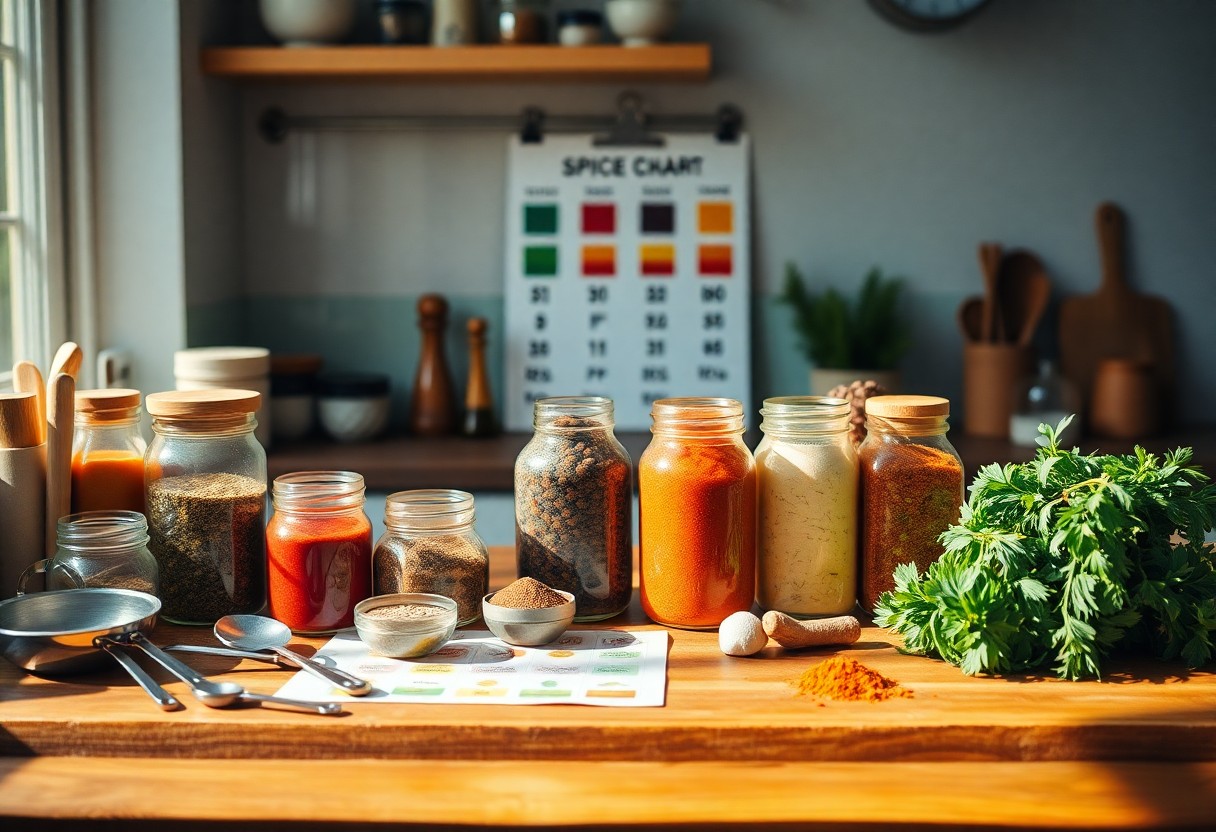
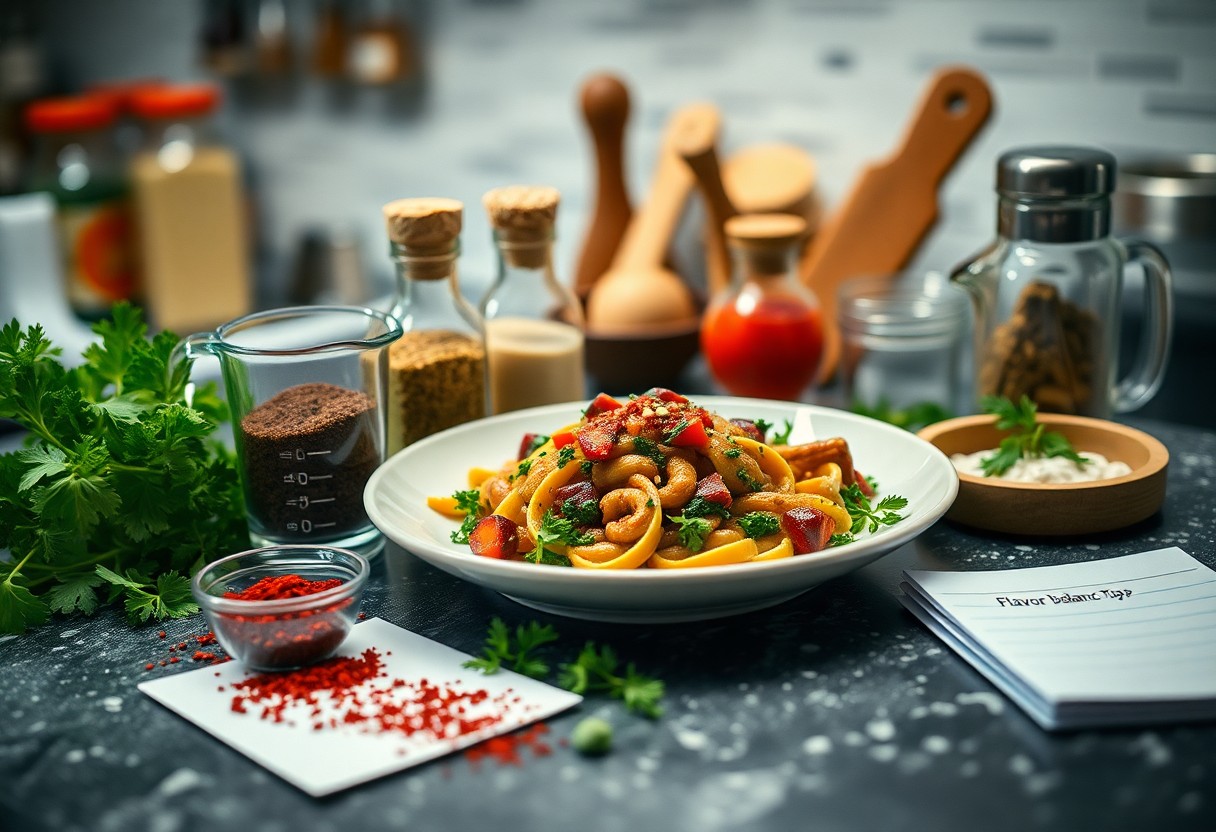
Many home cooks encounter flavor imbalance that can ruin a dish, leaving you frustrated and dissatisfied. Understanding how to balance sweet, sour, salty, and bitter elements is important for enhancing your meals. This guide will help you identify these common pitfalls and provide practical tips to ensure your dishes have a well-rounded, delicious flavor profile. … Read more

How to Improve Texture in Any Dish Using Smart Timing Techniques

Cooking effectively involves mastering timing techniques that can significantly enhance the texture of your dishes. By utilizing precise cooking intervals and strategic resting periods, you can achieve perfectly tender meats, crispy vegetables, and fluffy grains. This guide will provide you with actionable steps to refine your timing, allowing you to elevate the overall quality of … Read more

The Psychology of Taste – Why Some Foods Feel More Satisfying

Taste is not just a sensory experience; it is deeply intertwined with your emotions, memories, and even cultural influences. Understanding the psychology behind why certain foods feel more satisfying can enhance your dining experiences and help you make healthier choices. Factors such as texture, presentation, and familiarity play significant roles in shaping your perceptions and … Read more

How to Use Low Heat to Improve Taste and Texture

You can enhance the flavor and texture of your dishes by utilizing low heat cooking techniques. This method allows flavors to develop more fully, resulting in meals that are both delicious and satisfying. By gently cooking your food, you reduce the risk of burning or overcooking, preserving necessary nutrients and moisture. Discover the benefits of … Read more

How to Add More Aroma to Food Without Using Herbs

You can elevate your cooking by infusing rich aromas into your dishes without relying on herbs. Explore techniques such as utilizing aromatic spices, incorporating zesty citrus juices, and opting for smoked ingredients to enhance flavor complexity. Experiment with marinades and infusions that bring out the essence of your meals, ensuring each bite is packed with … Read more

How Simmering vs. Boiling Changes Flavor (Explained Simply)

Over time, the method you choose for cooking can significantly impact your dishes’ flavor. When you simmer, you allow flavors to mature and blend harmoniously, often resulting in a deeper, richer taste. In contrast, boiling can lead to the loss of delicate flavors and important nutrients, making it less suitable for certain ingredients. By understanding … Read more

Why Preheating Matters – The Science Behind It

It’s important to understand that preheating your oven significantly impacts the quality of your cooking. When you take the time to preheat, you ensure your food cooks evenly and achieves the right texture. This process also contributes to browning and caramelization, enhancing flavor. Skipping this step can lead to unpleasant results, such as undercooked centers … Read more

Why Some Foods Taste Better the Next Day – The Science of Flavor Resting

Over time, complex chemical reactions enhance the flavors in your leftover meals, leading to a more enjoyable eating experience. As the ingredients meld and seasonings develop, you may find that dishes like stews or casseroles taste significantly better when reheated. This phenomenon occurs because flavor compounds have had time to marry and harmonize, resulting in … Read more

Small Cooking Habits That Instantly Improve Your Food’s Flavor

Flavor enhancement in your meals can often hinge on simple changes in your cooking habits. By incorporating fresh herbs and spices at the right moments, you’ll elevate your dishes beyond the ordinary. Using high-quality ingredients and mastering the art of seasoning-like salting at different stages-can profoundly influence your food’s overall taste. Additionally, small techniques such … Read more